We are commemorating a remarkable milestone – 30 years of Michigan Child Death Review. The death of a child is a profound loss, not only for the child’s parents, family, and friends, but also for the larger community. To reduce the number and impact of these losses, we first had to understand how and why children were dying. Over the past three decades, the Child Death Review (CDR) program housed within the Center for Child and Family Health at MPHI has made a significant impact on communities all over Michigan, and we’re excited to share its journey with you.
In the early 1990s the fatality review movement started because there were concerns about the number of child abuse and neglect deaths. However, states discovered they could not quantify those deaths using vital statistics, and existing data sources didn’t provide much insight into how and why children were dying. An administrator from the then-Michigan Department of Community Health (MDCH) attended a conference in Missouri in 1995 where there was a presentation about the CDR process. Upon returning to Michigan, the administrator engaged various partners, including fellow MDCH administrators, Michigan State Police, Children’s Protective Services, and the Governor’s Task Force on Child Abuse and Neglect, to support the effort. Since that time, Michigan CDR has grown to include over 1,400 human service professionals throughout the state reviewing an average of 500 child deaths per year.
The willingness of these local volunteers to step outside of their traditional professional roles, to examine all the circumstances that lead to child deaths, and to seriously consider ways to prevent other deaths has made this project possible. We extend our heartfelt thanks to the thousands of local CDR team members who have volunteered their time over the years to this effort. Their dedication to the review process has brought some meaning to these tragic events and honors the memories of the children who died by improving by improving the health and safety of children in communities throughout Michigan.
Michigan CDR Over the Years
- Children’s Protective Services (CPS) record access legislation passed.
- The Governor’s Task Force on Child Abuse and Neglect, formerly the Governor’s Task Force on Children’s Justice, uses Children’s Justice Act funding appropriations to hire the first Michigan CDR project coordinator.
- 17 pilot CDR county teams established.
1995
- Pilot CDR county teams begin meeting.
- Michigan’s first Sudden Unexpected Infant Death (SUID) protocol created.
- First CDR training held for members of the 17 pilot sites.
- Michigan CDR project assistant hired.
1996
- Public Act 167 passed allowing for the creation of county CDR teams and establishment of the CDR State Advisory Team (SAT).
- Department of Health and Human Services (DHHS), then known as the Family Independence Agency, took over administration of the Michigan CDR contract. At least 12 new CDR county teams established.
1997
- The first Michigan CDR logo, Keeping Kids Alive, introduced.
- First CDR newsletter was published.
- Michigan CDR developed the first web-based CDR reporting system in the country.
1998
- The first Michigan CDR Annual Report was published.
- The CDR SAT appointed as the Citizen Review Panel (CRP) on Child Fatalities.
- Michigan CDR staff partnered with MDCH to coordinate Michigan’s first statewide Childhood Injury Prevention Conference.
1999
- All remaining Michigan counties established a CDR team.
- Michigan CDR awarded W.K. Kellogg Foundation Jump Start grant for childhood injury prevention; mini-grants were passed along to county-level initiatives identified through the CDR process.
2000
- Michigan CDR awarded Child Maltreatment Mortality Surveillance grant from Centers for Disease Control and Prevention (CDC).
2001
- MPHI awarded Health Resources and Services Administration (HRSA) grant to serve as the National CDR technical assistance office.
2002
- MPHI’s National CDR office began developing the National Fatality Review Case Reporting System in partnership with several state CDR programs, including Michigan.
2003
- Public Act 179 went into effect, requiring the use of the State of Michigan Protocols to Determine Cause and Manner of Sudden and Unexplained Child Deaths developed by Michigan CDR in partnership with a multi-disciplinary workgroup funded through MDCH.
- Michigan CDR provided safety information to the state’s Child Care Licensing Bureau as they revised their rules for the first time in 30 years.
2004
- MPHI’s National CDR office goes live with the National Fatality Review Case Reporting System.
2005

- Members of MPHI’s Michigan and National CDR Team.
2008
- Michigan CDR awarded its first Sudden Unexpected Infant Death (SUID) Case Registry grant from the CDC.
2009
- First CDC SUID reviews and data entry into the Case Registry.
2010

- Michigan CDR presents a poster session at the American Public Health Association (APHA) annual conference held in San Francisco, California.
2012
- Michigan CDR staff and state-level partners provide testimony to the federal Commission to End Child Abuse and Neglect Fatalities.
- Public Act 122 of 2014 went into effect, which stated that hospitals are to provide parents with educational and instructional materials regarding infant safe sleep practices and the risk factors associated with infant death due to unsafe sleep.
2014
- Michigan CDR awarded its second Child Maltreatment Mortality Surveillance grant from the CDC.
2015
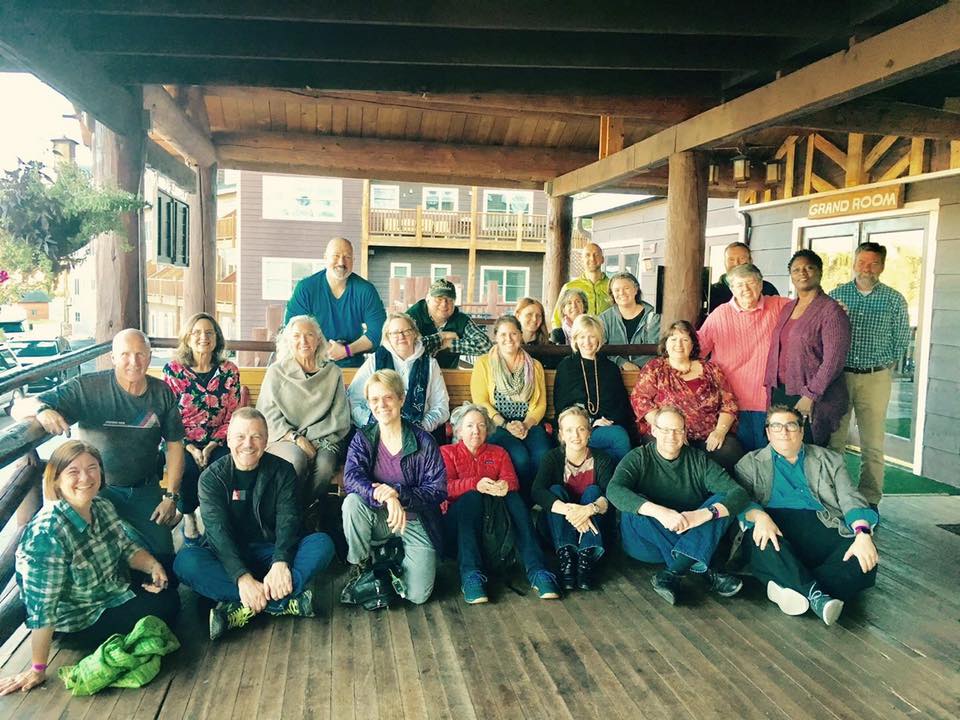
- Michigan CDR staff attend the National Child Abuse and Neglect Summit hosted by the National Center for Fatality Review and Prevention through funding from HRSA.
2016
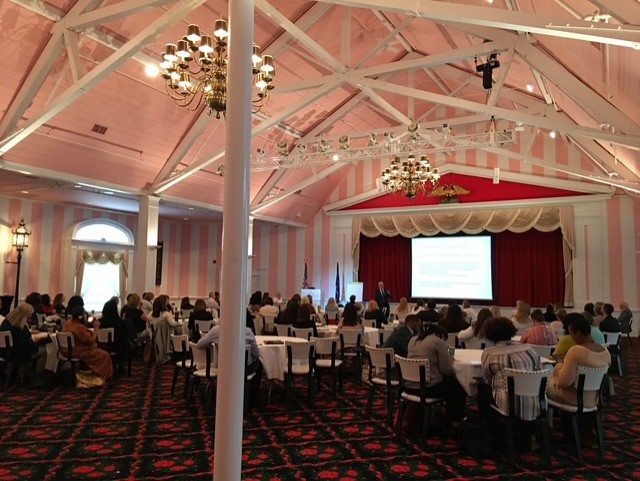
- Michigan CDR hosts the 17th National CRP Conference on Mackinac Island.
- The Michigan Death Notification System, built by CDR staff and MPHI programmers, goes live. This streamlined the distribution of child death certificates to CDR county teams for the purposes of review.
2018
- Michigan CDR received funding from the CDC to implement the Sudden Death in the Young (SDY) Case Registry in two counties.
2019
- Due to the COVID-19 pandemic, the only year since 1996 without an annual CDR team member training.
- CDR county teams move to a virtual meeting format.
- SDY data collection began in Michigan.
2020
- Michigan CDR hosts its first virtual annual CDR team member training.
- Michigan CDR awarded its first Fatal Drowning Case Registry grant from The National Center for Fatality Review and Prevention.
- Michigan CDR begins hosting virtual check-ins for local review team coordinators and a virtual training series for all CDR team members, both quarterly.
2021
- Michigan CDR started creating CDR Minutes, which are brief videos designed to quickly and effectively share key process concepts with Michigan’s local CDR team members.
2022
- Michigan CDR sunsets the Keeping Kids Alive brand and becomes part of Michigan Fatality Review and Prevention.
- Michigan CDR puts first dedicated communications staff in place, which leads to streamlined communication efforts, including a CDR Newsletter, and the ability to track on engagement with CDR and other fatality review programs.
- Michigan CDR awarded funding from the CDC to expand the SDY Case Registry from two to thirteen counties.
2023
- Commemorating 30 years of Michigan CDR!
- CDR gets a new logo.
2025
Collaborations over the Years
Michigan CDR at MPHI has a long record of collaborating with a wide variety of agencies and organizations dealing with child health, safety and protection. Over the years, collaborations have included the SIDS Task Force, the Lt. Governor’s Children’s Commission, the Governor’s Task Force on Children’s Justice, Michigan SAFE KIDS, the Office of Children’s Ombudsman, Michigan State Police, Michigan Association of Medical Examiners, Children Trust Michigan (formerly Children’s Trust Fund), Tomorrow’s Child/Michigan SIDS, Office of Highway Safety Planning, Prosecuting Attorneys Association of Michigan, and the Michigan Department of Health and Human Services (formerly Michigan Department of Community Health), Injury Prevention Section, Fetal and Infant Mortality Review, Coalition on Infant Mortality Reduction, Coalition on Sudden Cardiac Death in the Young, and the online safe sleep tutorial group in partnership with Michigan State University.